
How do I use 3D models in a sales call?
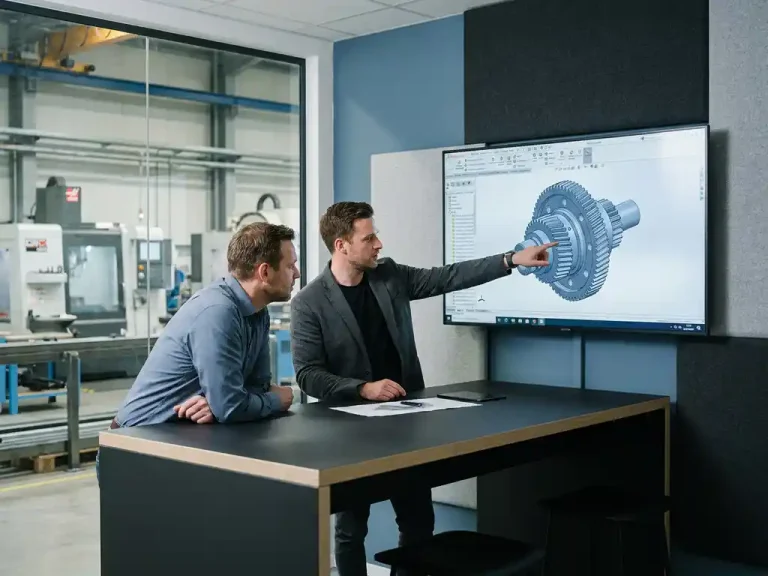
In the modern sales world, 3D models make the difference between an average presentation and one that truly convinces customers. By bringing complex products to life visually, you help potential customers immediately understand what you offer and why it fits their needs perfectly.
Whether you sell furniture, machinery or custom products, 3D models transform abstract concepts into tangible visualizations. This article will show you how to best use this powerful tool to improve your sales results and get customers to a decision faster.
Why are 3D models so effective in sales conversations?
3D models are effective because they make complex products instantly understandable and create emotional engagement. They eliminate misunderstandings and give customers confidence that they know exactly what they are buying.
The human brain processes visual information 60,000 times faster than text. When you show a 3D model, your customer understands the form, functionality and features of your product within seconds. This is especially valuable with technical products or customizations, where specifications are difficult to explain.
3D models also create an emotional connection. Customers can imagine how the product fits and functions in their own environment. This visualization reduces the psychological barrier to making a purchase because the product feels “real” even before the order is placed.
Which 3D models work best in a sales presentation?
The best 3D models for sales presentations are interactive models that you can rotate, zoom in and out, and display parts of. Models with realistic materials and colors work most convincingly.
Choose models that highlight your product’s unique selling points. For example, if you sell furniture, show how drawers open, what different finishes look like, or how modular elements can be combined. For technical products, work with cross-sections that show the internal workings.
Animations add extra value, especially for products with moving parts. A 3D animation of a machine in operation or a piece of furniture being assembled makes the functionality immediately clear. Just make sure animations remain short and relevant so they don’t distract attention from your sales message.
How do you prepare a 3D presentation for clients?
A good 3D presentation starts with identifying key customer needs and selecting relevant views that address those needs. Prepare different scenarios so that you can respond flexibly to requests.
Start by gathering information about your customer. What challenges do they have? What are their priorities? Based on this, choose the right 3D views and prepare a logical sequence. Start with an overview of the complete product and then zoom in on specific parts relevant to the customer.
Test your presentation thoroughly beforehand. Check that all files load correctly, that the display is smooth, and that you have all the necessary views on hand. Also prepare alternate routes through your presentation in case clients ask specific questions or turn out to have different priorities than expected.
What software do you need for 3D sales presentations?
For 3D sales presentations, you need software that can both create professional 3D models and present them in a user-friendly way. The choice depends on your budget, technical skills and presentation needs.
Several options are available for creating 3D models. Professional CAD software offers the highest quality and most features, but requires technical knowledge. Simpler 3D tools are faster to learn, but offer less advanced features.
For presentations themselves, you can choose between viewer software specifically designed to display 3D models, or Web-based solutions that display models directly in the browser. Web-based solutions are convenient because clients can also view the models at home, but require a good Internet connection during the presentation.
How do you deal with technical issues during a 3D presentation?
In case of technical problems during a 3D presentation, stay calm, switch to alternative files and continue the conversation with other visual aids. Good preparation with backup options prevents most problems.
Always have a plan B ready. This means static images of your key 3D views, a simpler version of your 3D files that requires less processing power, or a video recording of your 3D model in action. That way you can continue the presentation without losing momentum.
Use technical problems as an opportunity to make more personal contact. While you’re solving the problem, you can talk through the benefits of your product and ask questions about the customer’s needs. Often these impromptu conversations lead to valuable insights that make your presentation even more effective.
How IronCAD helps with professional 3D sales presentations
With IronCAD, you can easily create professional 3D models perfect for sales presentations. The software combines powerful design capabilities with an intuitive interface, allowing you to quickly create compelling visualizations.
IronCAD offers specific benefits for sales presentations:
- Drag-and-drop functionality for quick adjustments during calls
- Realistic material display showing products true to life
- Easy export to different presentation formats
- Interactive 3D displays that can serve customers
- Fast rendering for smooth presentations
The unique TriBall™ technology makes it possible to show instant adjustments during a conversation. Customers can see what their specific requirements look like before making a decision. This significantly shortens the sales cycle and increases the success rate.
Want to know how IronCAD can improve your sales presentations? Contact us for a personal demonstration where we will show you how to optimally use 3D models for better sales results.